
Sacred Artifacts: The Significance of Holy Relics in the Catholic Faith
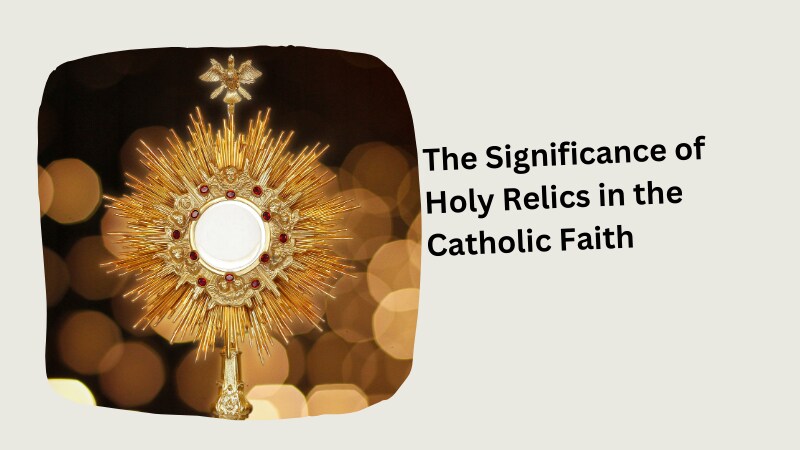
365 Saints | Sacred Artifacts: The Significance of Holy Relics in the Catholic Faith | In the heart of Catholic worship and devotion lies a profound reverence for holy relics. These sacred objects, often imbued with spiritual significance, play a vital role in the lives of the faithful. This blog post will explore the significance of holy relics in the Catholic faith, illuminating their historical context, theological foundations, and enduring impacts on contemporary practices.
The Historical Context of Holy Relics
To fully appreciate the significance of holy relics in the Catholic faith, it’s essential to understand their historical roots. During the early centuries of Christianity, believers often sought tangible connections to the divine. They honored the bodies of martyrs and saints, recognizing their sacrifice and virtue. As such, the remains of these holy individuals—bones, clothing, or other personal items—became revered objects within the growing Christian community.
Transitioning through time, the veneration of relics gained momentum in the Middle Ages. Churches and cathedrals began to house these sacred artifacts, attracting pilgrims who sought healing, blessings, or spiritual enlightenment. For many, the opportunity to touch or even be near a relic offered a direct connection to the holiness of the saint it represented. This practice sparked an entire industry around the acquisition and authentication of relics, and thus, drove a considerable aspect of Catholic devotion.
Types of Holy Relics
Understanding the significance of holy relics in the Catholic faith entails recognizing the different categories that exist. There are generally three classes of relics, each holding varying levels of importance within the tradition.
The first class consists of relics that are directly associated with the saints, primarily their physical remains. These include bones, hair, or even entire skeletons of revered figures. Due to their intimate connection to the saint, first-class relics are considered the most sacred, often placed in altars, shrines, or specially designated reliquaries for public veneration.
Second-class relics are objects that the saint personally owned or used. These may encompass items such as clothing, books, or tools that belonged to the saint. While not as holistically significant as first-class relics, second-class relics still foster a connection to the saint’s life and virtues, serving as reminders of their earthly existence. Lastly, third-class relics represent items that have come into contact with first- or second-class relics. Although they carry a lesser significance, they still provide a means for the faithful to connect with the holy tangibly.
Theological Foundations
At the heart of the significance of holy relics in the Catholic faith lies deep theological essentiality. Relics serve as reminders of the supernatural reality of salvation. In Catholic theology, the communion of saints encompasses all believers—living and deceased—united in Christ. Relics reinforce this connection, symbolizing that holiness isn’t confined to the realm of the living but extends across the boundaries of life and death.
Furthermore, the belief in the intercession of saints underpins the veneration of relics. The faithful turn to saints as advocates before God, seeking their intercession for personal needs and communal prayers. Relics function as physical manifestations of this support, providing a point of contact with the saint’s enduring spiritual life. This practice encourages Catholics to reflect upon their own lives, striving for holiness while acknowledging the communion they share with those who have walked similar paths of faith.
Spiritual Significance
The significance of holy relics in the Catholic faith transcends their physical attributes. Pilgrimages to relic sites and informal gatherings centered around relics foster a sense of community among the faithful. Such gatherings often inspire collective prayer, storytelling, and shared faith experiences. Connecting with relics positions believers within the larger narrative of the Church, helping them to recognize their part in the divine plan.
Moreover, spiritual benefits can arise from the veneration of relics. Many believe that these sacred artifacts hold healing powers, whether physically or spiritually, stemming from the holiness of the saint associated with them. This belief often leads to miraculous claims of cures and transformations among those who seek the intercession of saints through their relics. These testimonies affirm the power of faith, illustrating how holy relics act as conduits of grace.
The Role of Relics in Worship and Devotion
Holy relics occupy a prominent space in Catholic liturgy, enriching worship through their presence. Often incorporated into Mass, relics serve as focal points for veneration and prayerful reflection. For example, during significant feast days or special occasions, priests may present relics to the congregation, inviting the faithful to honor the saint’s legacy—strengthening the communal act of faith.
In addition to formal rites, personal devotion to relics often enhances an individual’s spiritual journey. Catholics may cultivate rituals that include home altars featuring relics, manifestations of deep spiritual devotion. These settings foster ongoing connection and contemplation, allowing individuals to meditate on the saint’s life while seeking guidance, inspiration, or comfort during challenges.
The Contemporary Relevance of Holy Relics
As society evolves, so too does the role of holy relics in the Catholic Church. While some may perceive relics as relics of the past, they remain relevant to contemporary spirituality. Modern Catholics still seek connections to their heritage and the divine through relics, believing in their power to inspire faith and community.
Moreover, the resurgence of interest in traditional practices—such as frequent Mass attendance and personal prayer—has infused new life into the veneration of relics. Younger generations, exploring their spiritual roots, often regard relics as a bridge between the tangible and intangible aspects of faith. The drive towards authenticity in faith leads many to seek these sacred objects, drawing them closer to their faith and traditions.
Conclusion: The Enduring Legacy of Holy Relics
In conclusion, understanding the significance of holy relics in the Catholic faith reveals layers of historical, theological, and spiritual depth. These relics represent more than mere artifacts; they encapsulate a rich narrative of faith and community that bridges generations. They invite believers to engage with the lives and virtues of those who have gone before, fostering connections that transcend time and space.
As seekers continue their journey toward holiness, the veneration of holy relics serves as a vital aspect of Catholic worship. Whether through liturgical practices or personal devotion, the role of relics in cultivating faith demonstrates their unique ability to inspire and uplift, reminding the faithful of their place within the broader communion of saints.
 From Lawyers to Coders to Twins: Meet the Bold New Class of Future Doctors at Duke-NUS
  TutorABC Earns U.S. WASC Accreditation, Redefining Online Learning for Global Students
  LSBF Singapore Honoured for Championing Local Talent and Career Comebacks
  Over 13,000 Malaysian Students Level Up English Skills Through Digital Literacy Program
  From Teens to ‘I Do’: 10 Compelling Arguments for Embracing Married Life
  Finding, Preserving, and Sharing the Veil and Girdle of the Blessed Virgin Mary